
Readiness review
Assess current Dynamics processes and invoice-producing transactions.
Find the right technology, specialist team, or service for your business.
ERP, CRM & business platforms
Modern workplace and intelligent platforms
Explore all Microsoft services ↗Intelligent execution at scale
Resilient, secure enterprise operations
Leadership and strategic delivery
Prepare your Microsoft environment for UAE e-invoicing by assessing process, data, document flow and the changes needed across finance and operations.

A robust readiness approach considers document sources, approval flow, master data, exception handling and system responsibilities across finance and operations.


Readiness work should identify what the business must standardize, validate and govern before expecting successful execution.
Our UAE e-invoicing scope is preparatory and implementation-oriented.
Assess current Dynamics processes and invoice-producing transactions.
Identify changes required in process, master data and system handling.
Clarify how ERP, middleware and compliance layers should interact.
Define support, monitoring and exception ownership expectations.
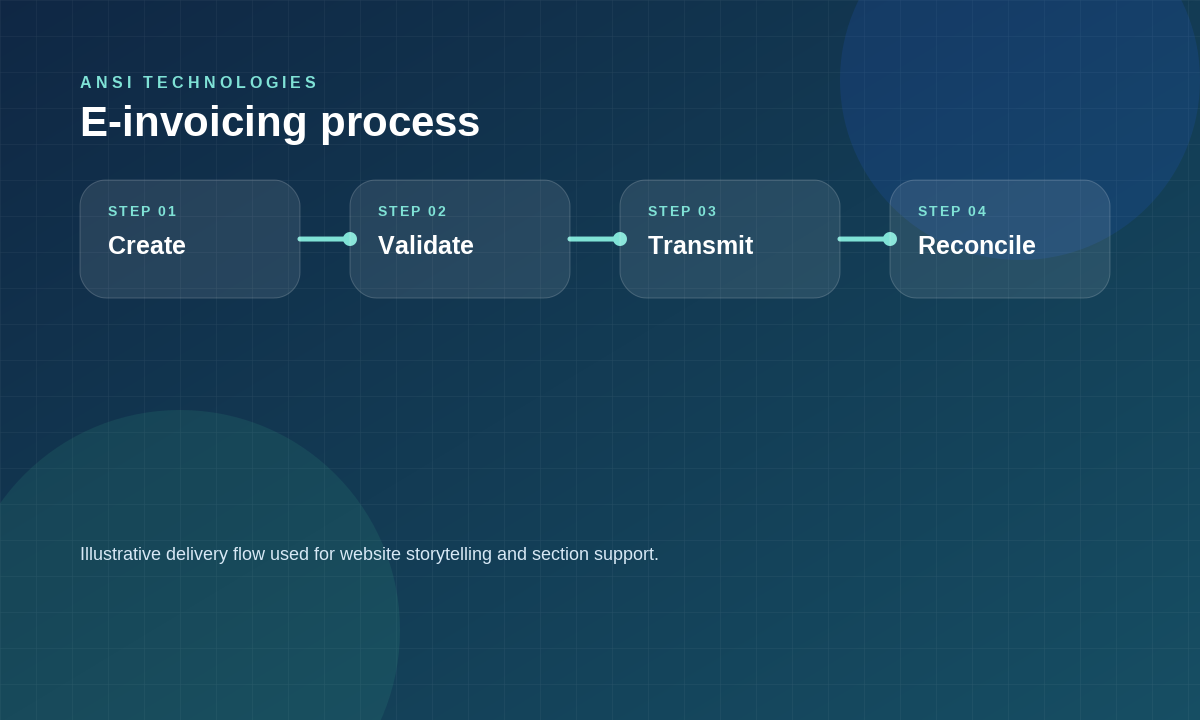
Every engagement should be shaped by approved business outcomes, real process conditions, available internal capacity and a controlled transition approach.
Agree scope, responsibilities, testing and acceptance before implementing changes.
Agree the expected outcomes and acceptance criteria before the engagement begins.
A focused summary of the current state, gaps and required changes.
Guidance for process, data and integration preparation.
Visibility of issues that could affect compliance readiness.
Prioritized next steps for execution planning and control.
Final deliverables always depend on the approved scope, environment access, supporting systems, project constraints and commercial agreement.
These questions are designed to support commercial clarity, internal alignment and buyer confidence.
The exact implementation model depends on the wider ecosystem and agreed scope. ANSI focuses on ERP readiness, integration planning and related delivery support.
Yes. Scope can include the relevant finance and operational transactions that create invoice implications.
Yes. Many organizations begin with readiness assessment before committing to deeper implementation work.
Whether you are evaluating a new platform, improving an existing environment or looking for a more disciplined support model, ANSI can help define the next commercially sensible step.